Green Drain™ GD-MD · Medical Device
The floor drain seal registered as a medical device.
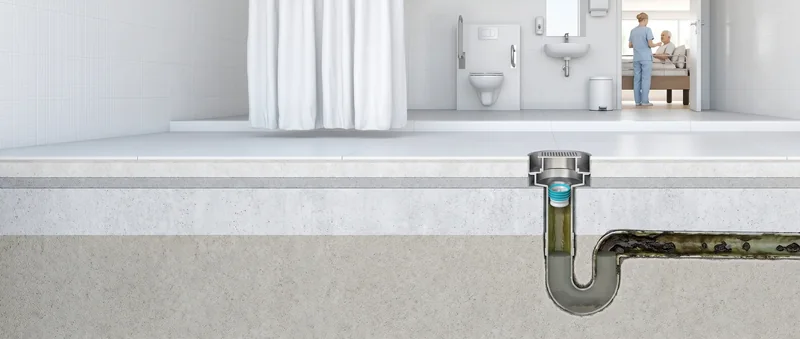
Green Drain GD-MD turns the floor drain, a hidden connection between the room and the drainage system, into a defined, passive and documentable point of control.
- Class IMDR (EU) 2017/745
- EUDAMEDSRN DK-MF-000052289
- ISO 13485:2016Quality system
GD-MD is the medical version of Green Drain, for hospitals, clinics and care facilities. Ask us for a quote.
Ten sizes, from 32 to 157 mm.
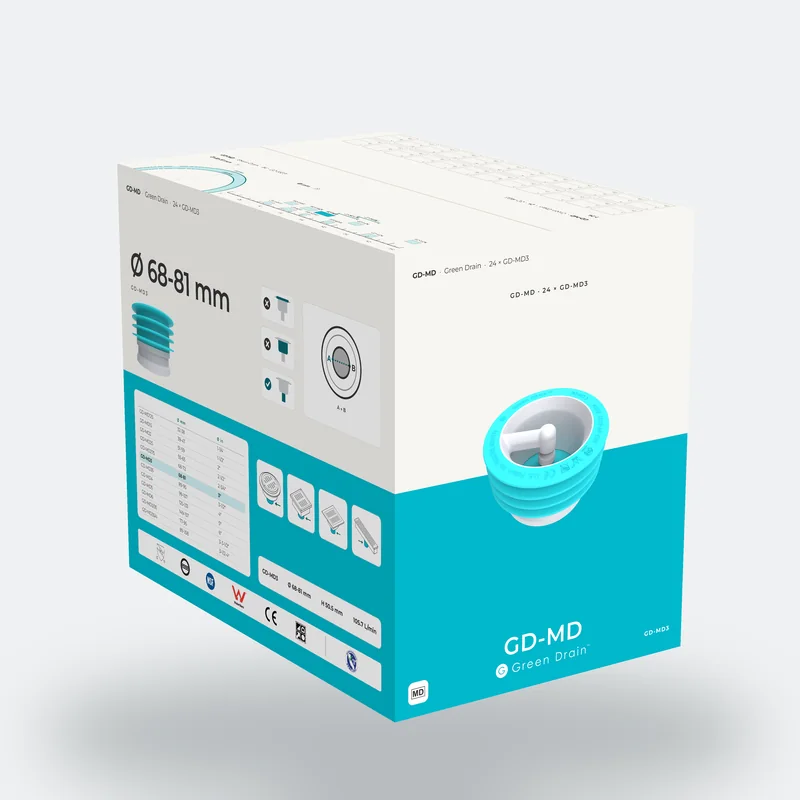
Each size fits a range of pipe inside diameters. Lift the grate, measure the pipe below it, and choose the size whose range covers it. Where two ranges overlap, either size fits. Not sure? Ask us.
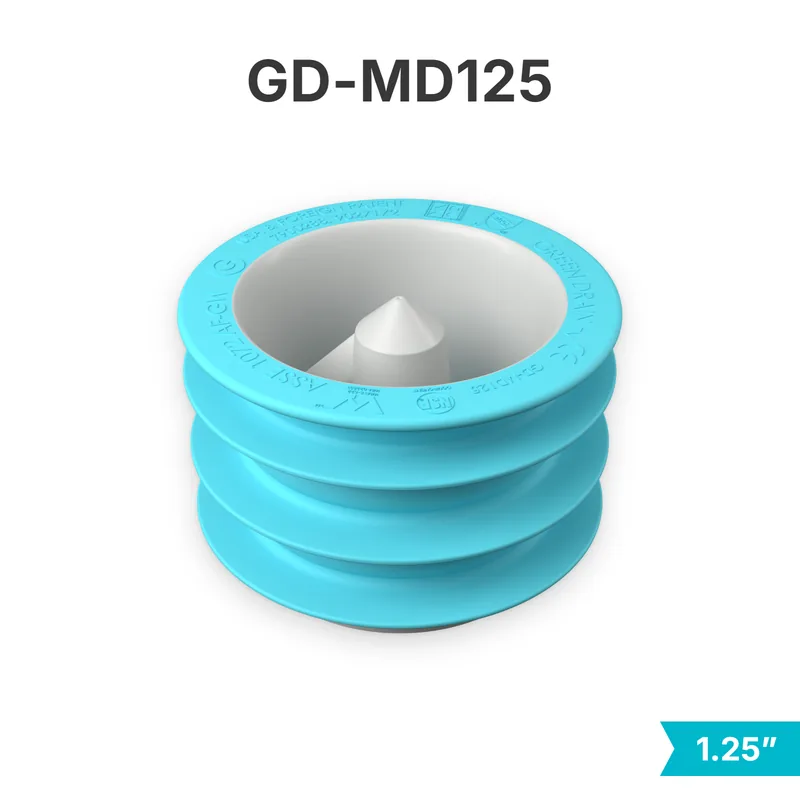
 GD-MD125
32 to 38 mm
1-1/4 in nominal
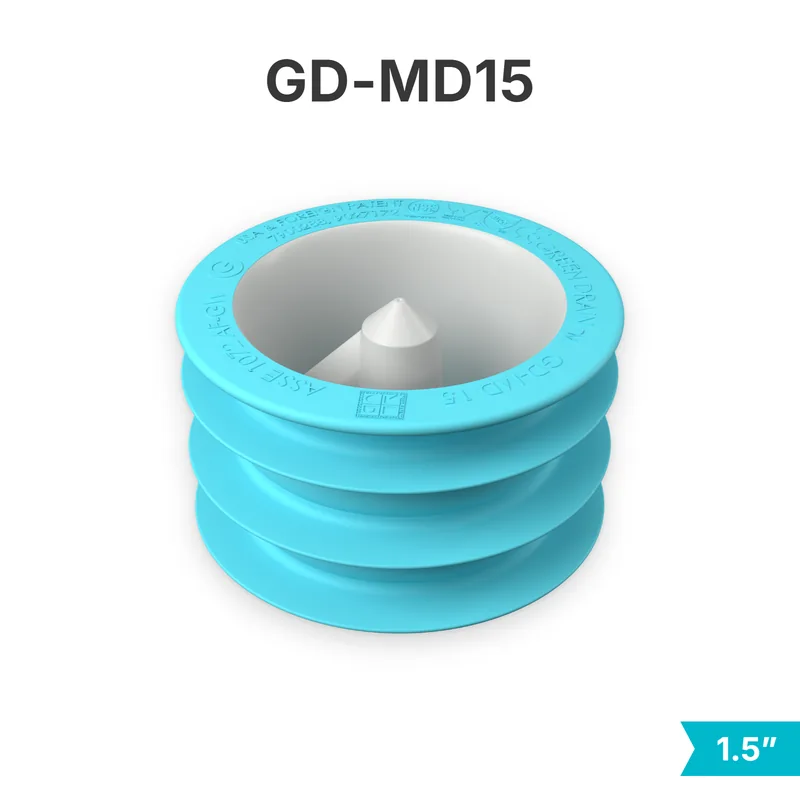
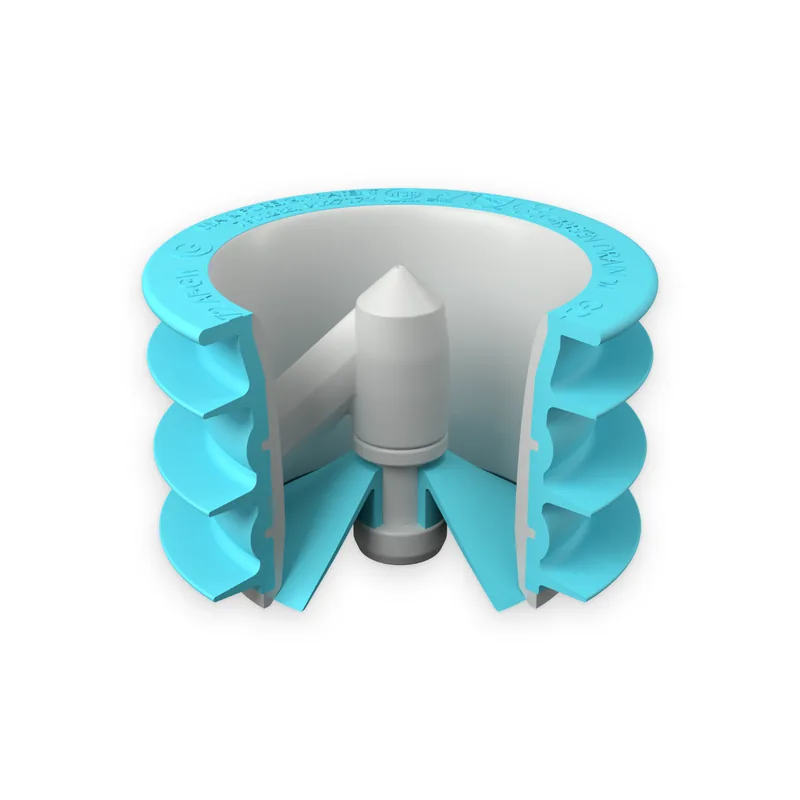 GD-MD15
39 to 47 mm
1-1/2 in nominal
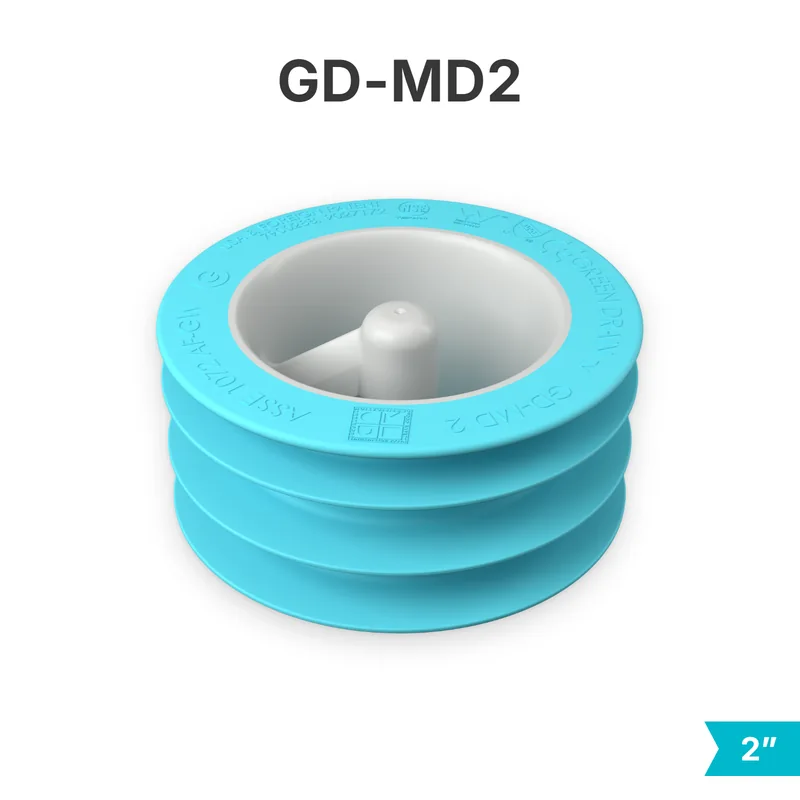
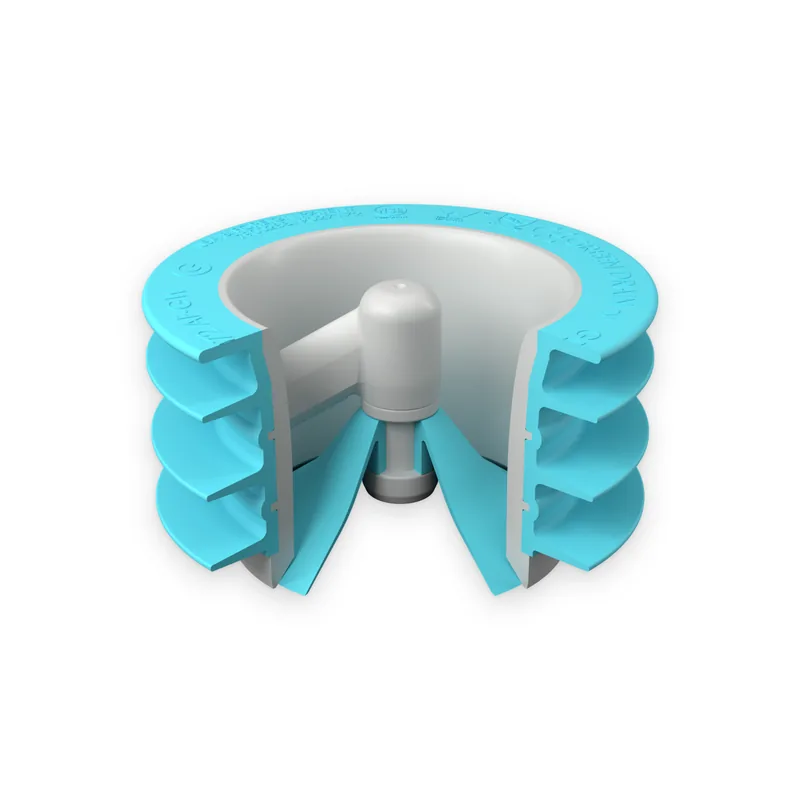 GD-MD2
51 to 59 mm
2 in nominal
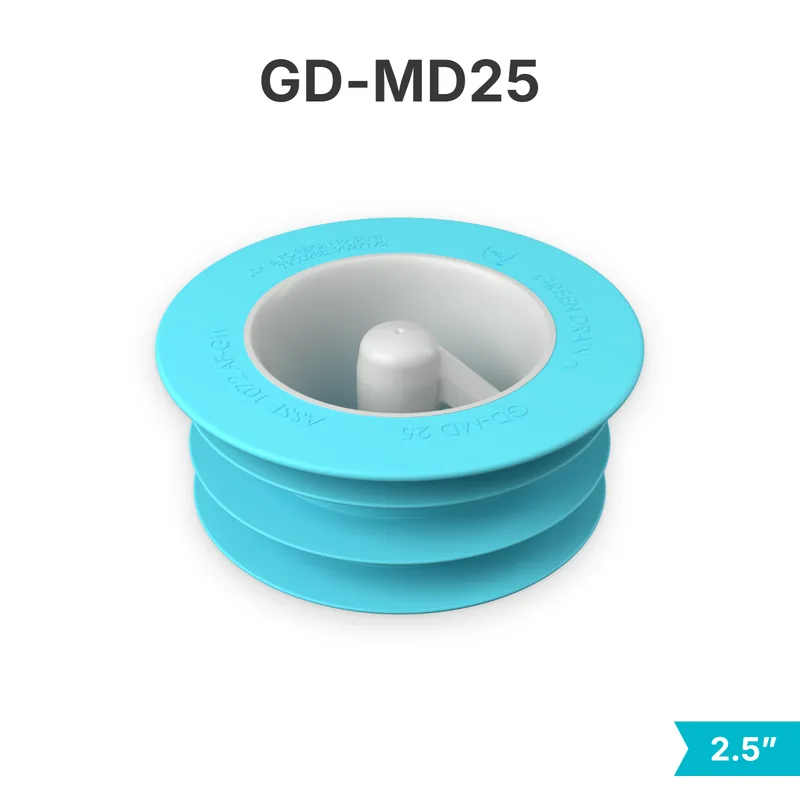
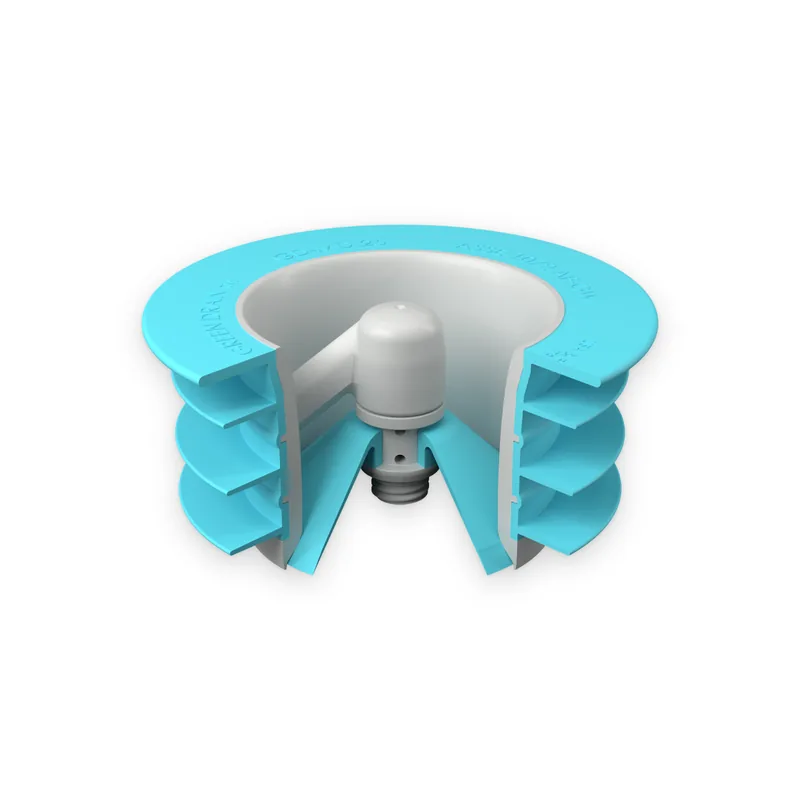 GD-MD25
55 to 65 mm
2-1/2 in nominal
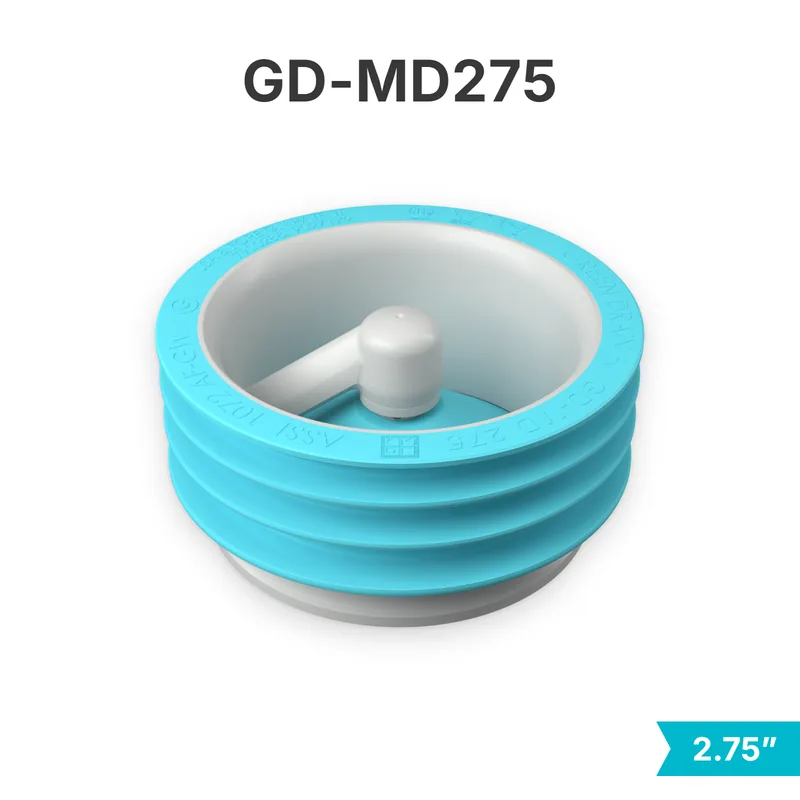
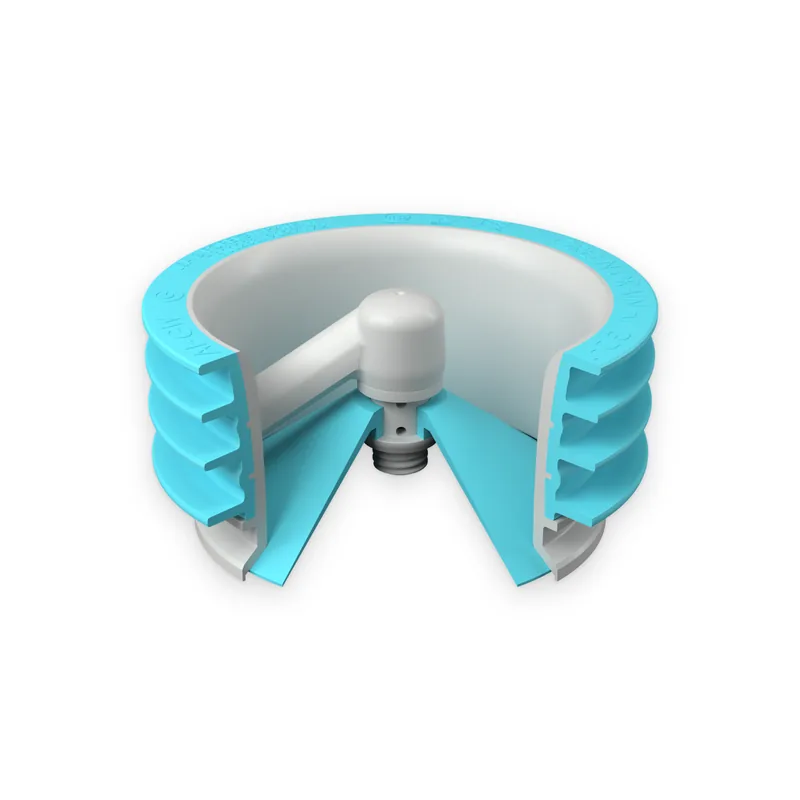 GD-MD275
68 to 72 mm
2-3/4 in nominal
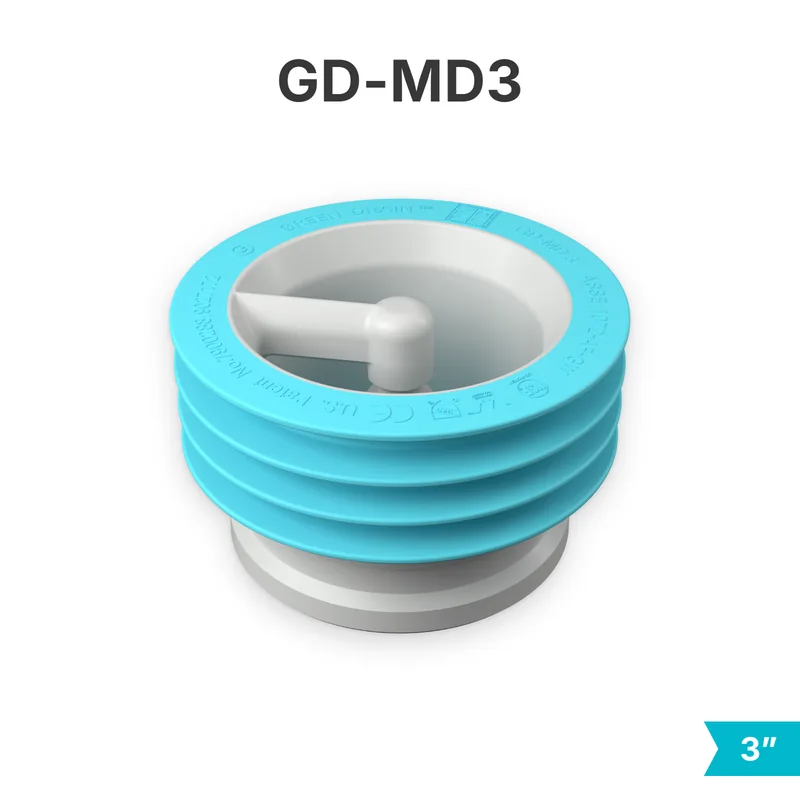
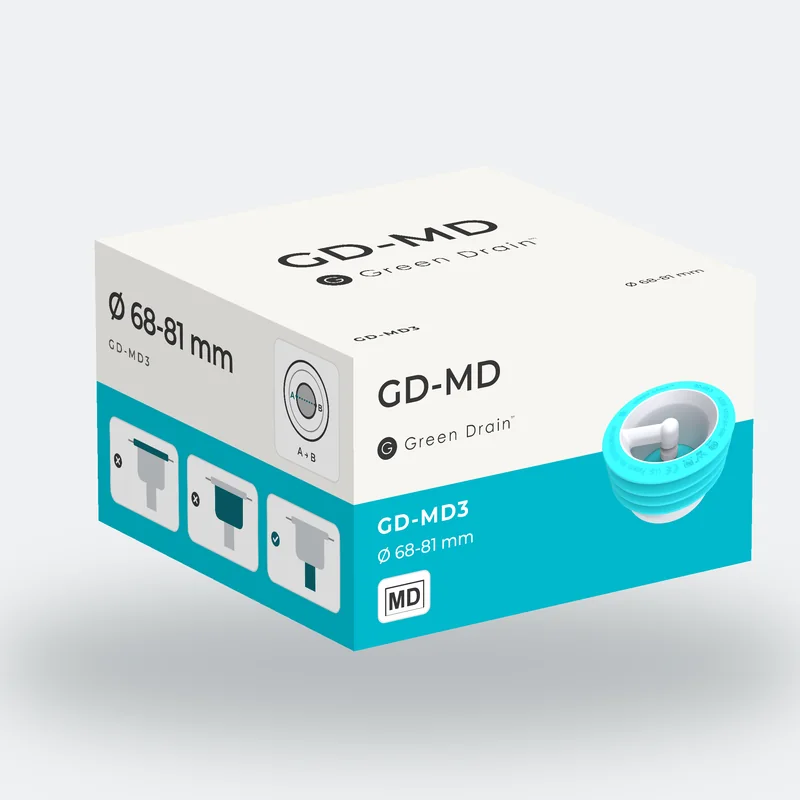
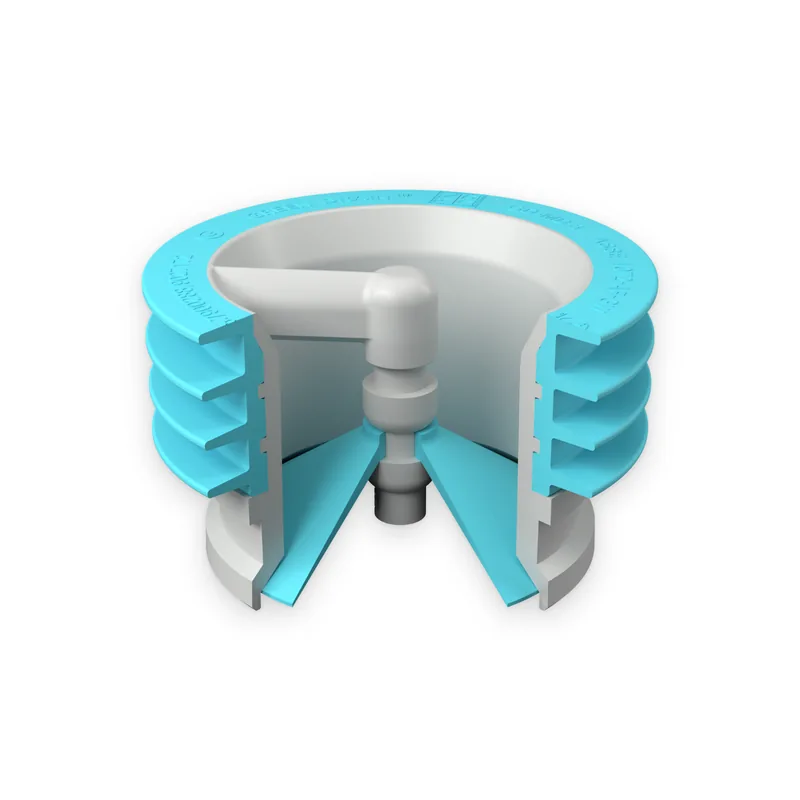 GD-MD3
68 to 81 mm
3 in nominal
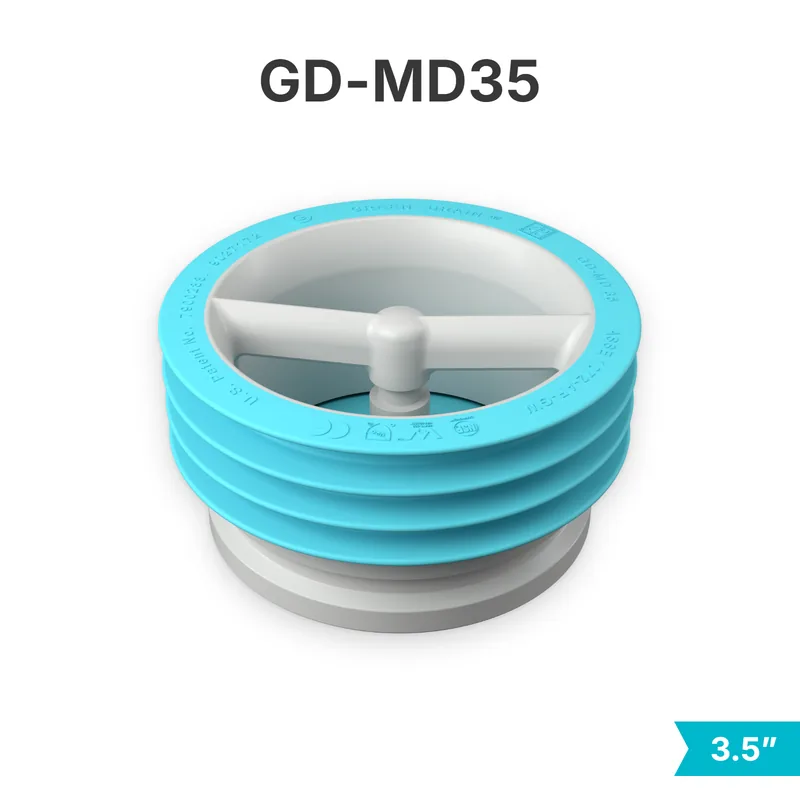
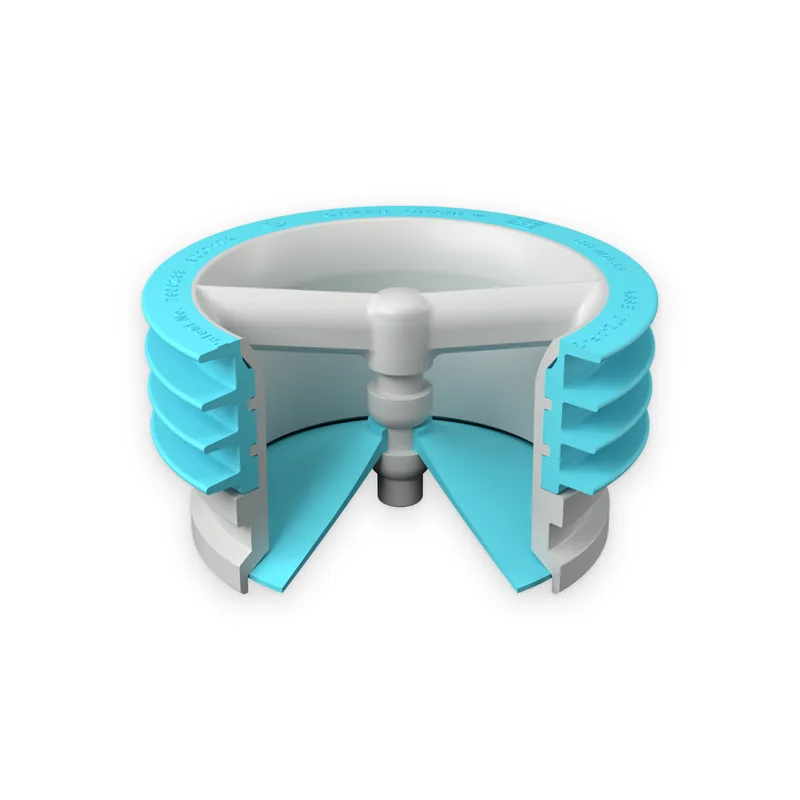 GD-MD35
89 to 95 mm
3-1/2 in nominal
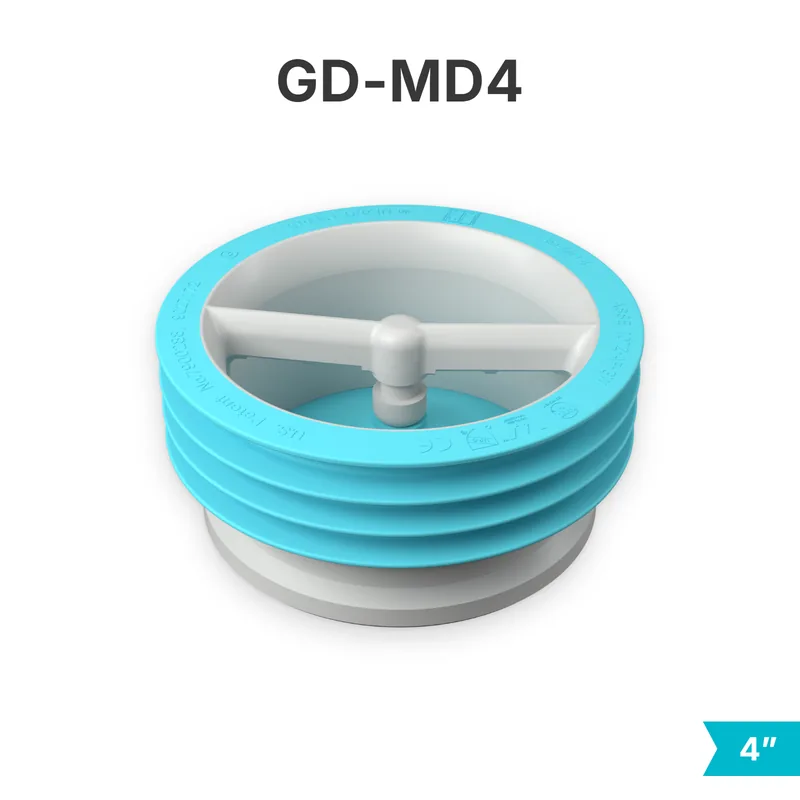
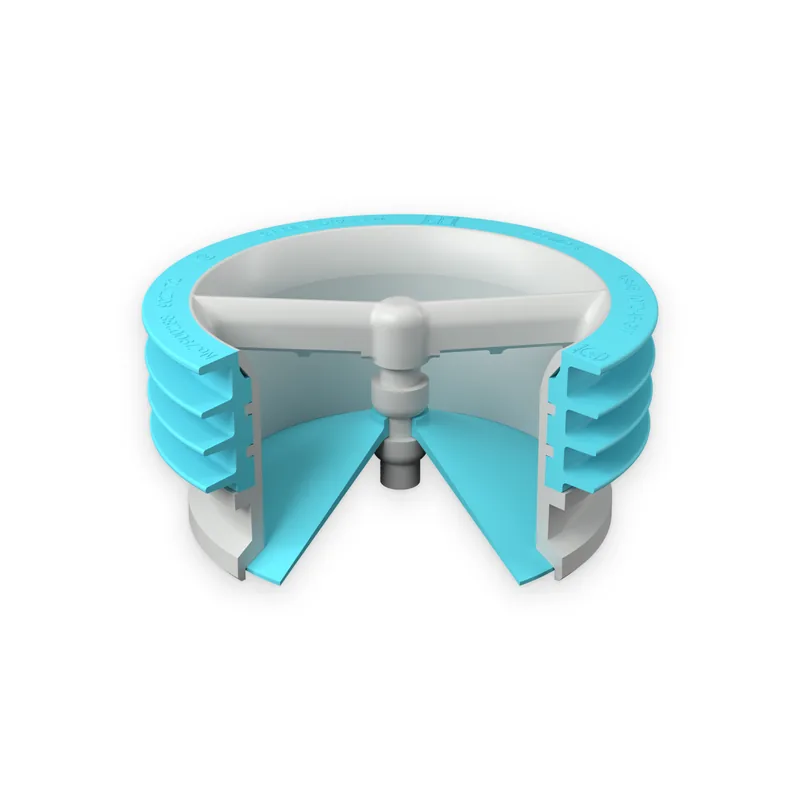 GD-MD4
99 to 107 mm
4 in nominal
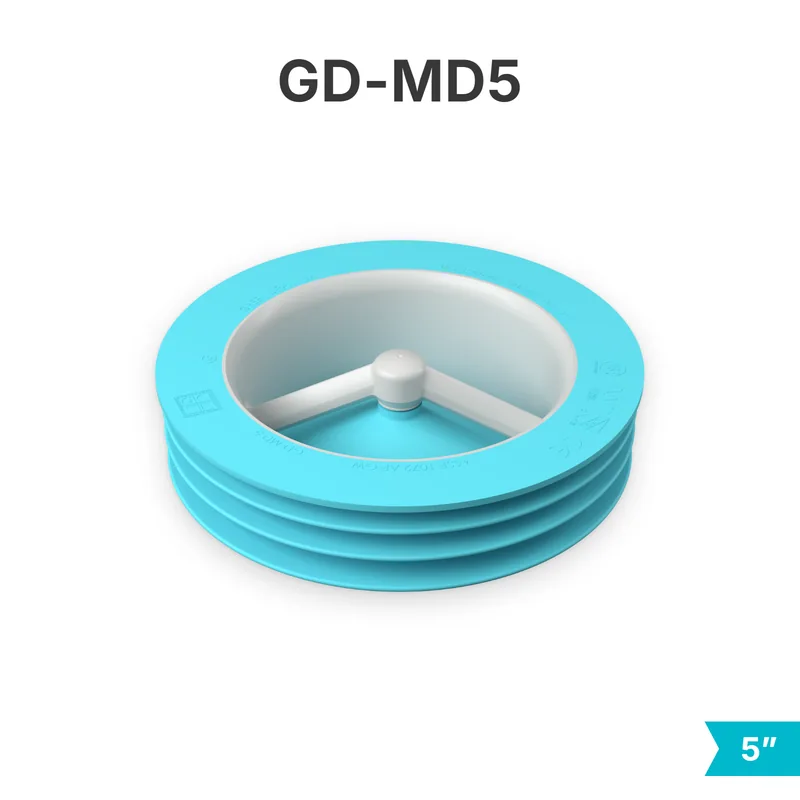
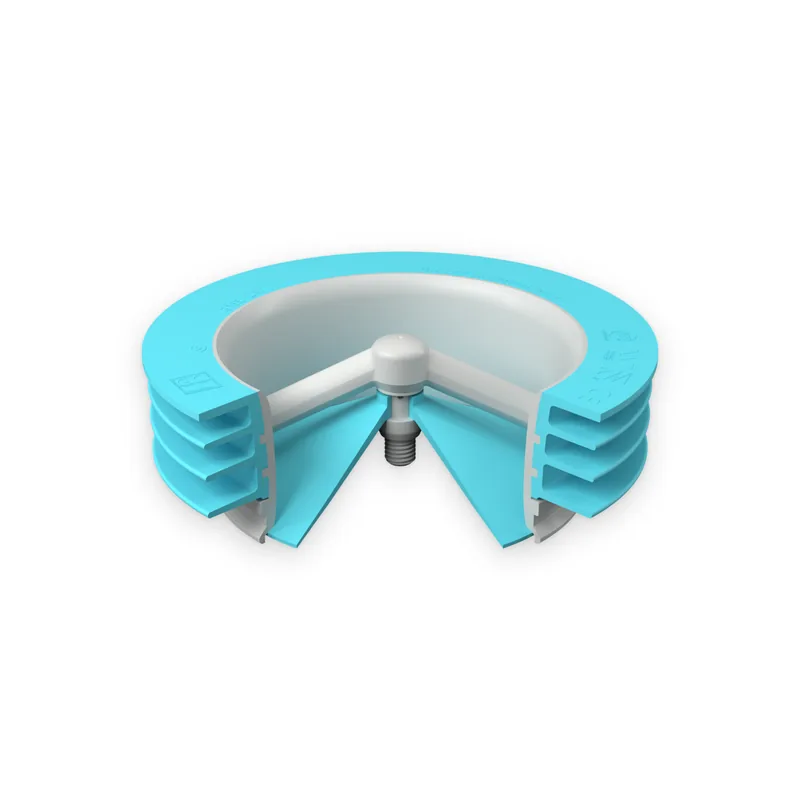 GD-MD5
125 to 133 mm
5 in nominal
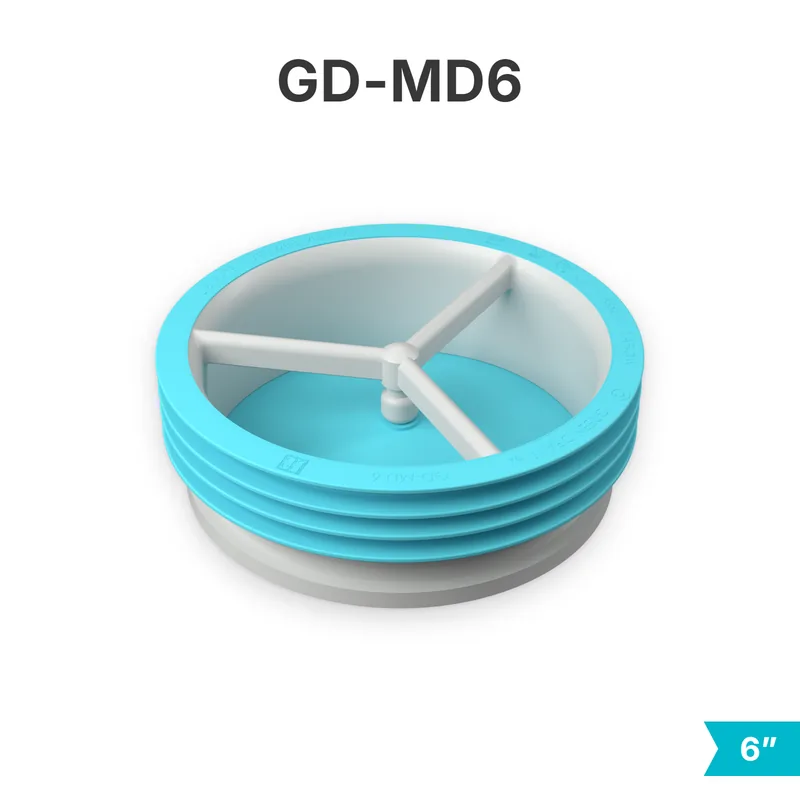
 GD-MD6
149 to 157 mm
6 in nominal
Why we make the GD‑MD
Every surface in a care environment has a plan. The floor drain should too.
Healthcare teams clean, check and record the spaces where care happens, every day. One opening in the room is easy to leave out of that routine: the floor drain, a direct connection between the room and the wastewater system beneath it.
We make the GD-MD so that opening can become part of the plan: a passive point of control that a facility can install, inspect and document like everything else in the room. It works alongside the P-trap, the cleaning and the infection prevention and control measures already in place, and it replaces none of them.
We believe no part of a care environment should be left out of the hygiene plan just because it is out of sight.
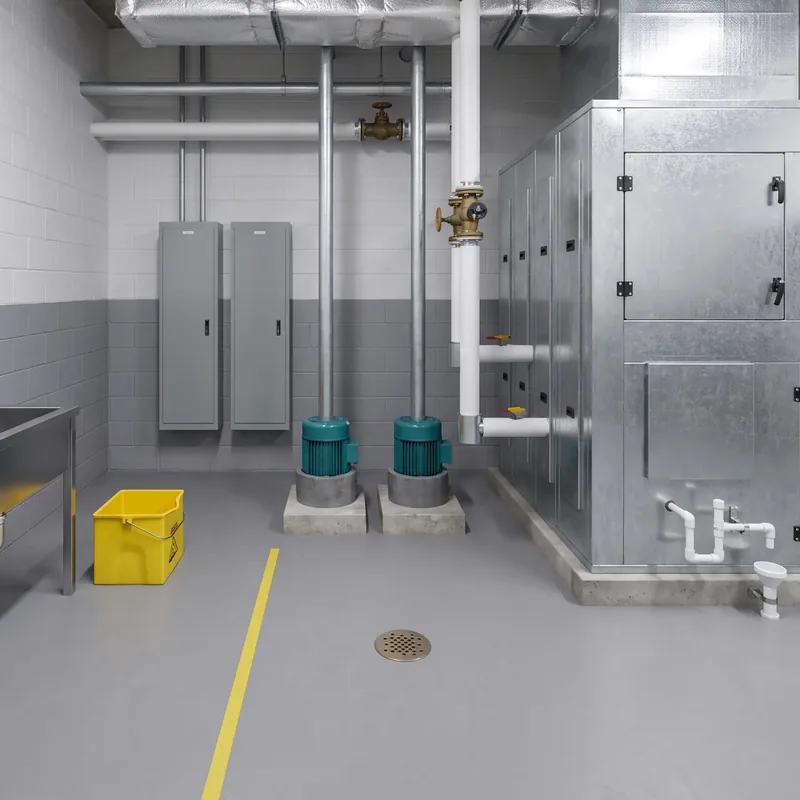
How the GD‑MD works.
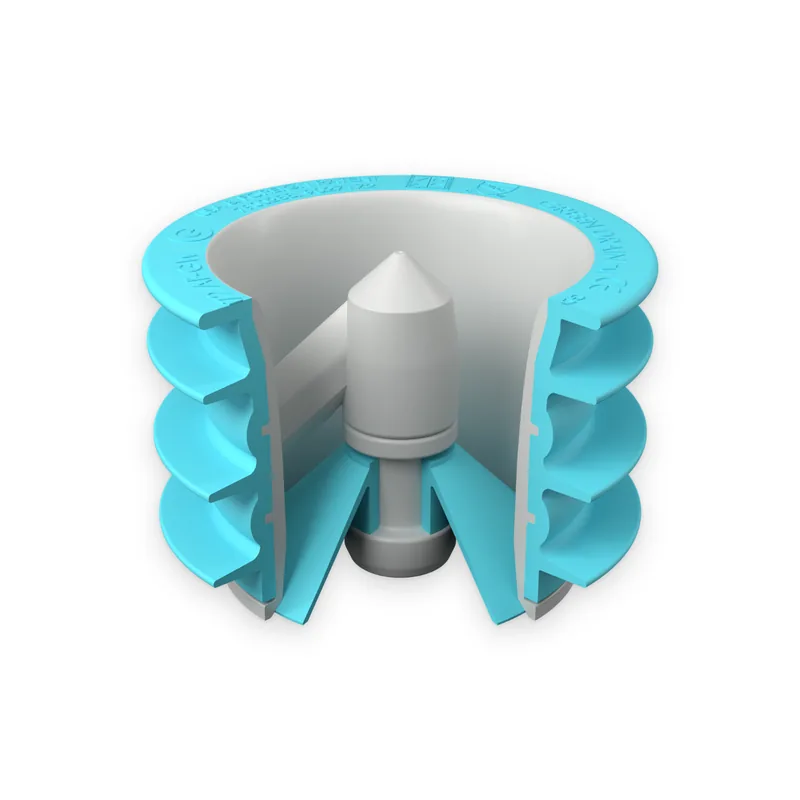
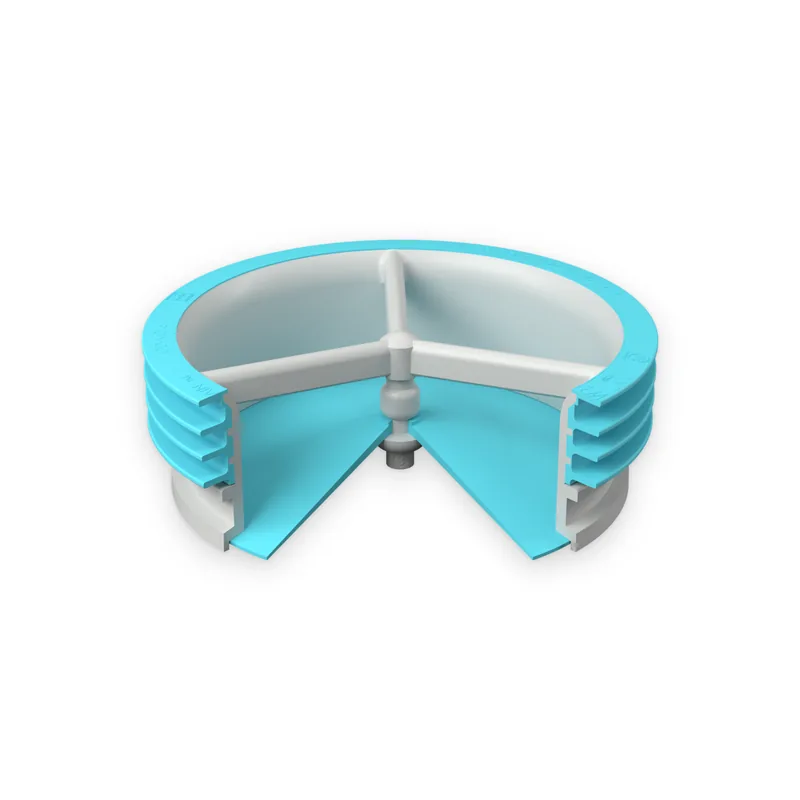
A silicone skirt sits inside a rigid housing that seats in the drain pipe below the grate. It works with the P-trap that is already there.
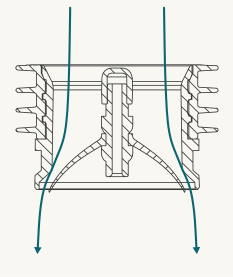 1
Water flows down.
The skirt opens under the downward pressure of the water and lets it drain.
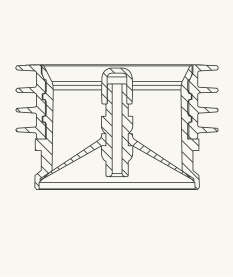 2
The flow stops.
The skirt closes again on its own and forms a physical seal across the pipe.
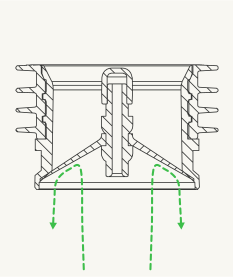 3
The drain stays closed.
The closed skirt restricts the upward movement of air and aerosols from the drainage system. No power, and nothing to operate once it is installed.
>99.9%retention of aerosolised MS2 viral surrogate under controlled laboratory conditions
SGS laboratory testing demonstrated that GD-MD can effectively restrict the upward movement of aerosolised viral-surrogate particles through a drainage opening under the tested conditions.
Independent laboratory evidence supporting passive aerosol-barrier performance: SGS-CSTC, 2025. Tested device performance, not a health outcome. Method and conditions: Technical Summary.
Fits the floor drains you already have.
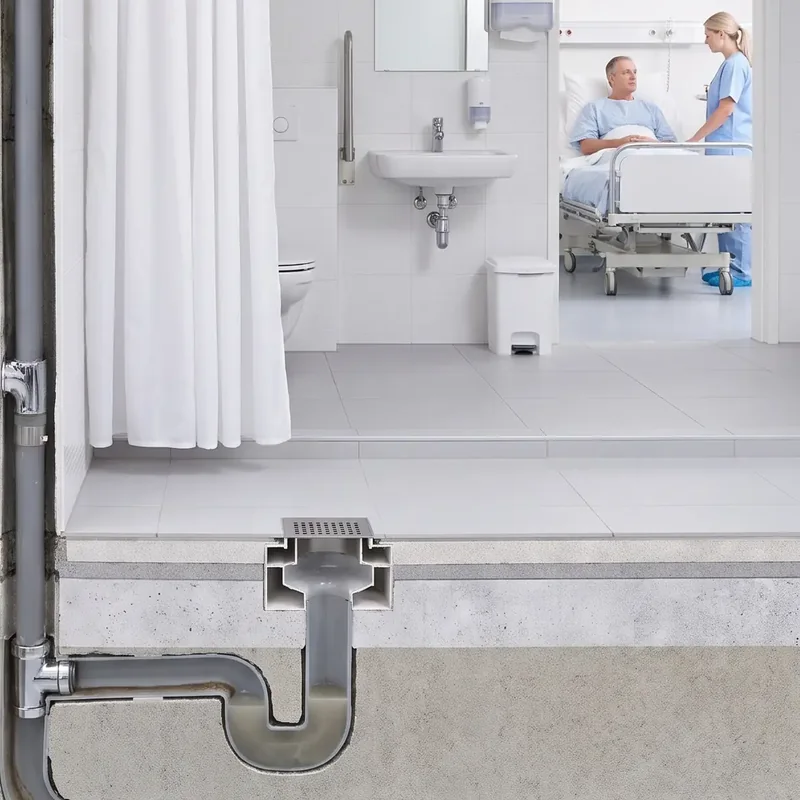
The GD-MD seats in the outlet pipe below the grate, so the drain body above it can be round, square, a floor sink or a trench. Choose the size by the inside diameter of that pipe.
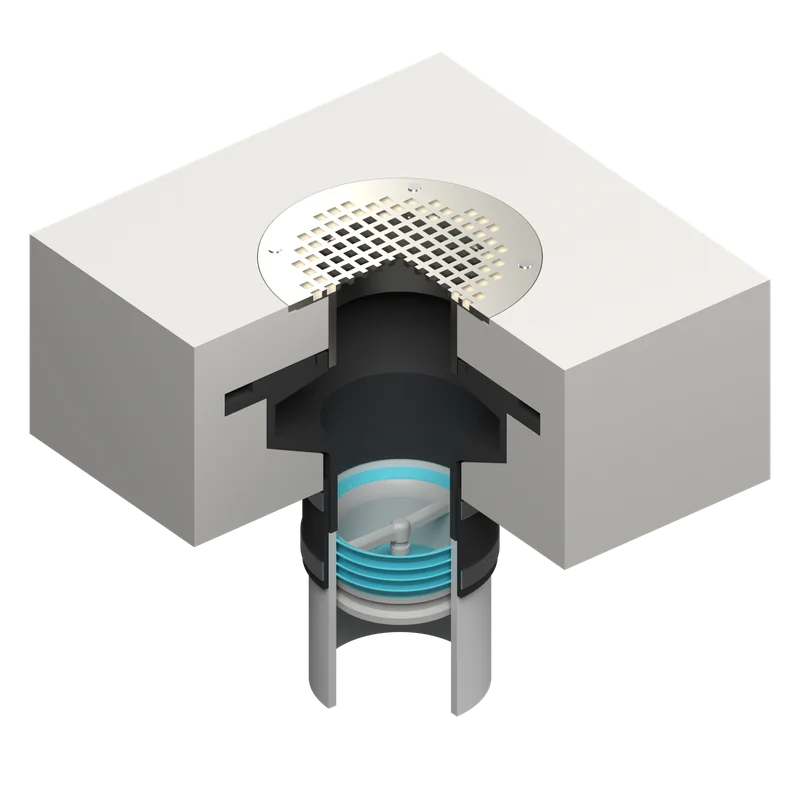 Round floor drains
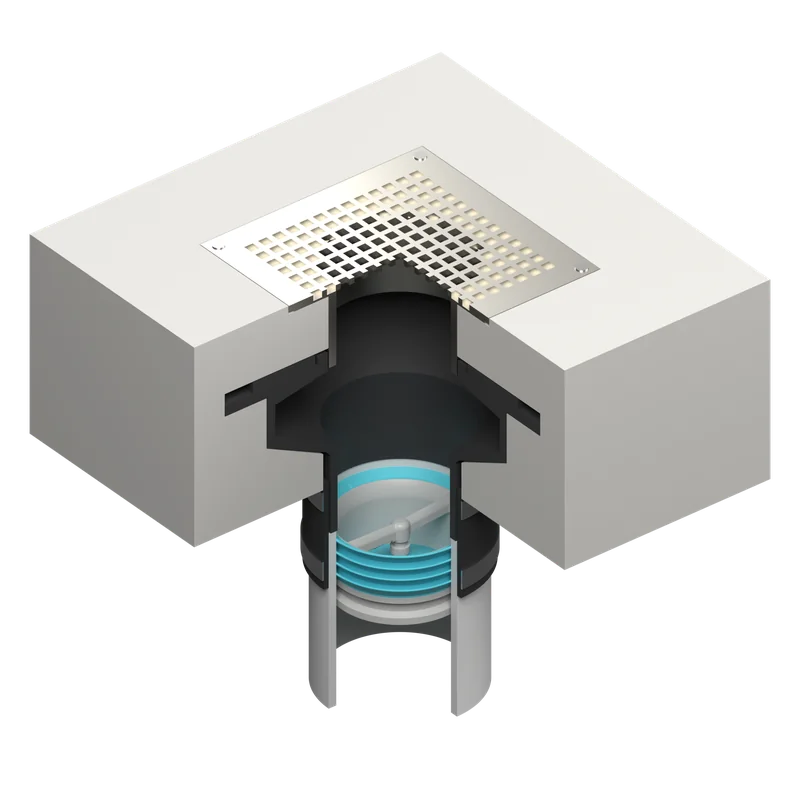 Square floor drains
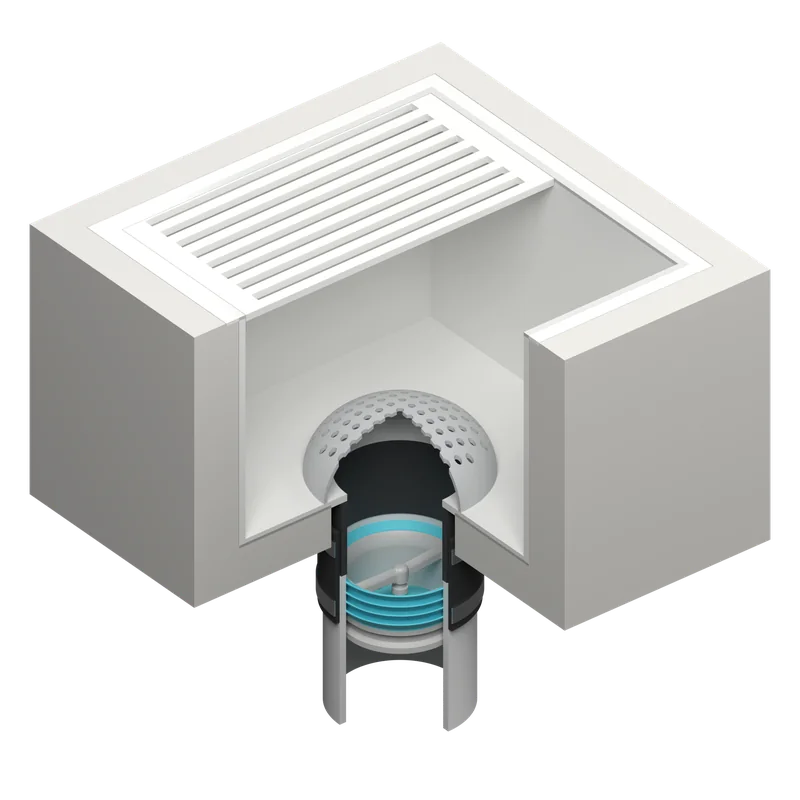 Floor sinks
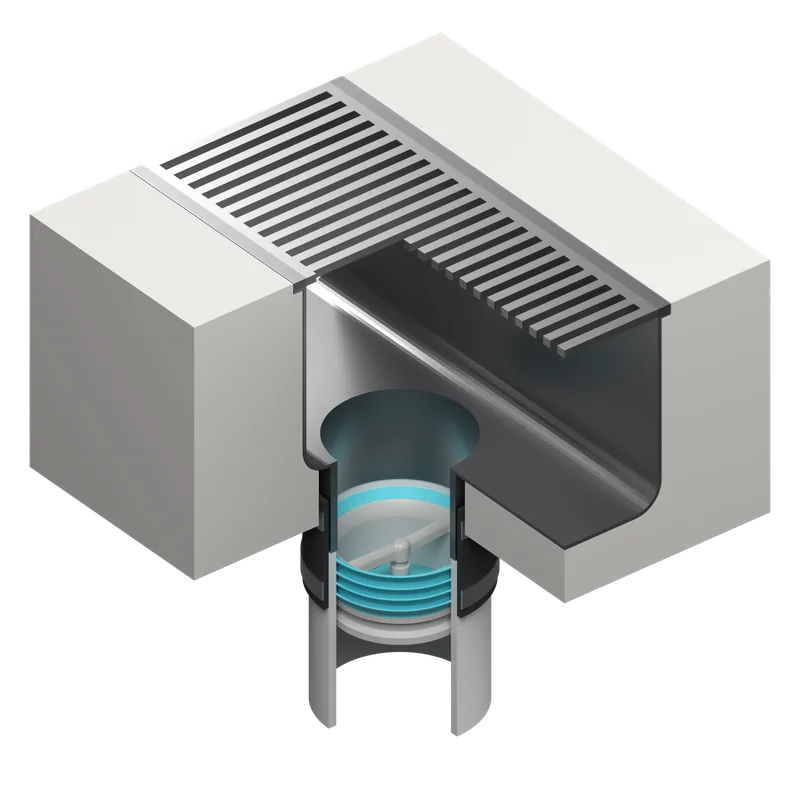 Trench drains
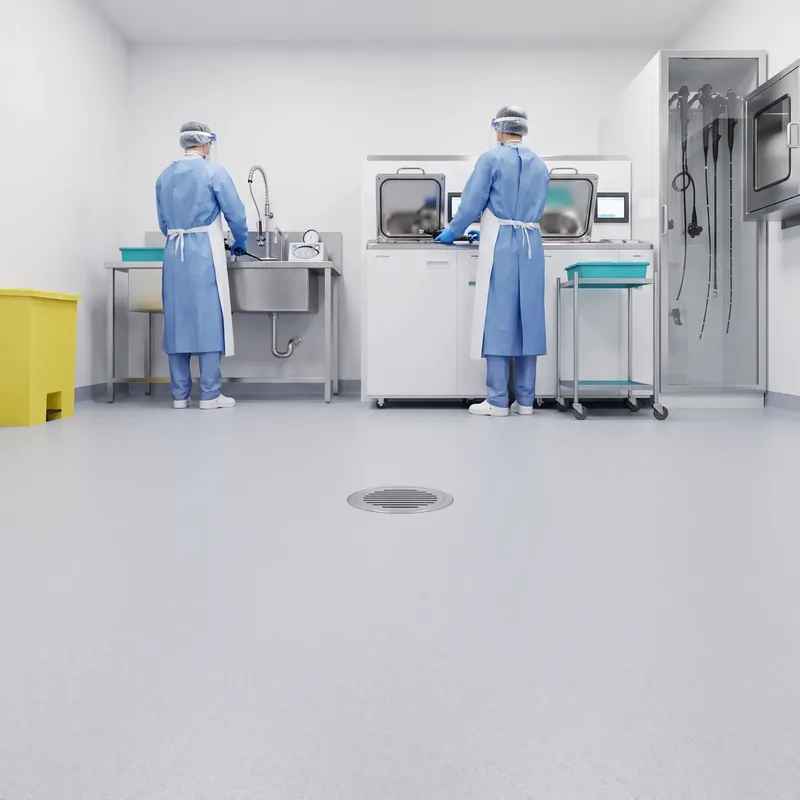
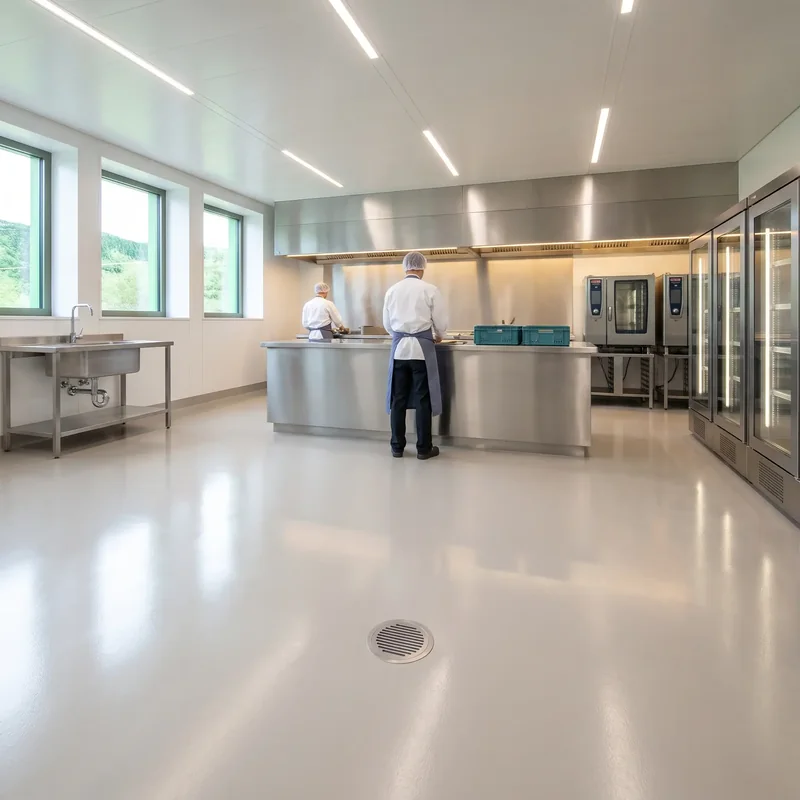
Intended for floor drain systems in built environments, including healthcare facilities: hospitals, clinics, outpatient facilities, long-term care facilities and other buildings with floor drain systems.
Compliance and documents.
The regulatory facts a procurement, infection prevention or technical review asks for, and the four public documents.
- Classification
- Class I medical device, MDR (EU) 2017/745
- Conformity route
- Article 52(7); Annex II Technical Documentation held by the manufacturer
- EUDAMED
- Registered, SRN DK-MF-000052289
- Basic UDI-DI
- 5745001471GreenDrainMDRJD; every size carries its own UDI-DI
- Quality system
- ISO 13485:2016 and ISO 9001:2015, with batch-level traceability and change control
- Materials
- ABS polymer housing, silicone skirt; no natural rubber latex identified
- Manufacturer
- Green Drain Europe ApS, Herning, Denmark
- Supply
- On inquiry, for healthcare facilities, distributors and dealers
The regulatory documents, v2.0
Issued 14 September 2026. Annex II Technical Documentation is held by the manufacturer and provided to competent authorities on request. All EU MDR documents, the UDI-DI table and what Class I means.
What the device does, and what it does not
The device does
- Function as a one-way mechanical barrier in floor drains
- Restrict the upward movement of air and aerosols from drainage systems
- Support hygiene and infection prevention and control programs
- Reduce environmental exposure pathways associated with floor drains
The device does not
- Prevent, diagnose, treat, or cure disease
- Make claims about reduction of infection rates or patient outcomes
- Replace established hygiene protocols or cleaning procedures
- Have direct or indirect contact with the human body
Green Drain GD-MD is a passive environmental control device. Use it as one element within a broader hygiene management framework.
Install it, then inspect it.
Installed by trained facility staff or a technical service provider, following the Instructions for Use. After that, inspect it from time to time for correct position and condition; reinstall it if it has moved, replace it if you see damage or wear. Passive does not mean unmanaged: each step can be recorded, so the drain has its place in the routine of the facility.
-
1
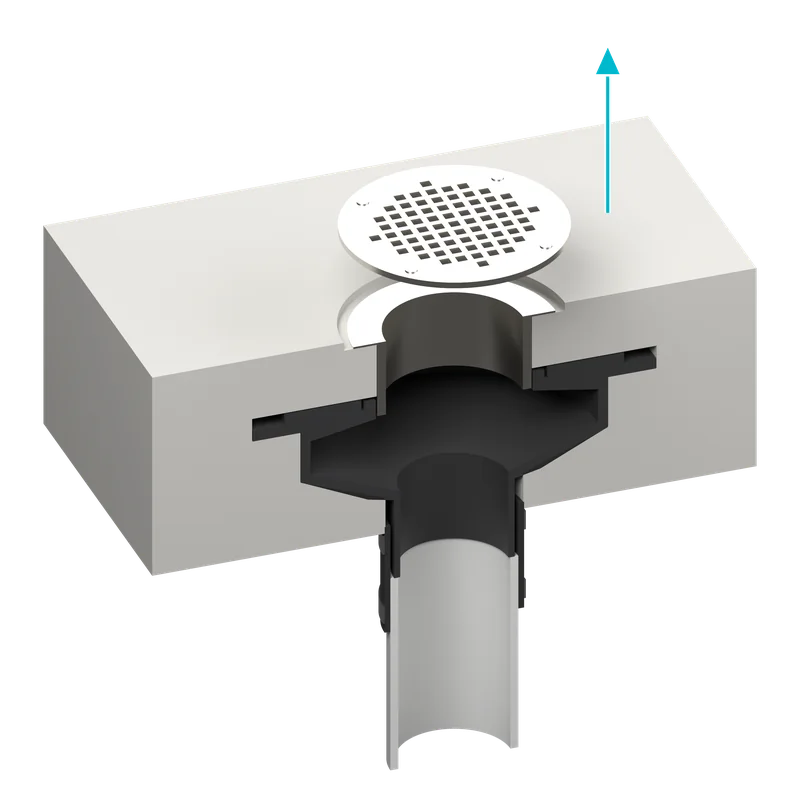
Lift the grate.
Remove the existing drain grate.
-
2
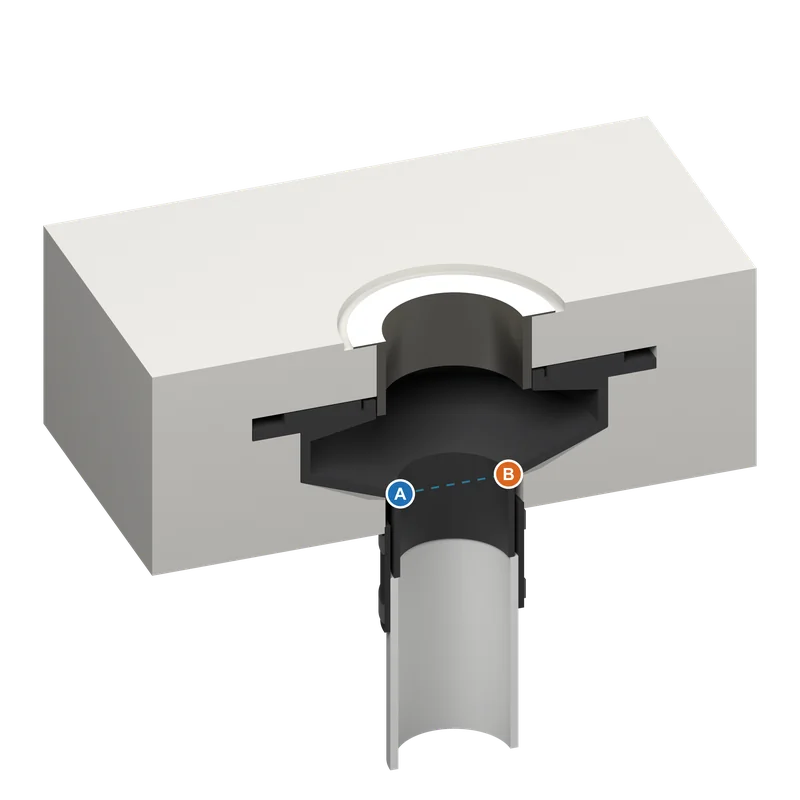
Check the pipe.
Make sure the pipe below the grate falls in the size range you chose.
-
3
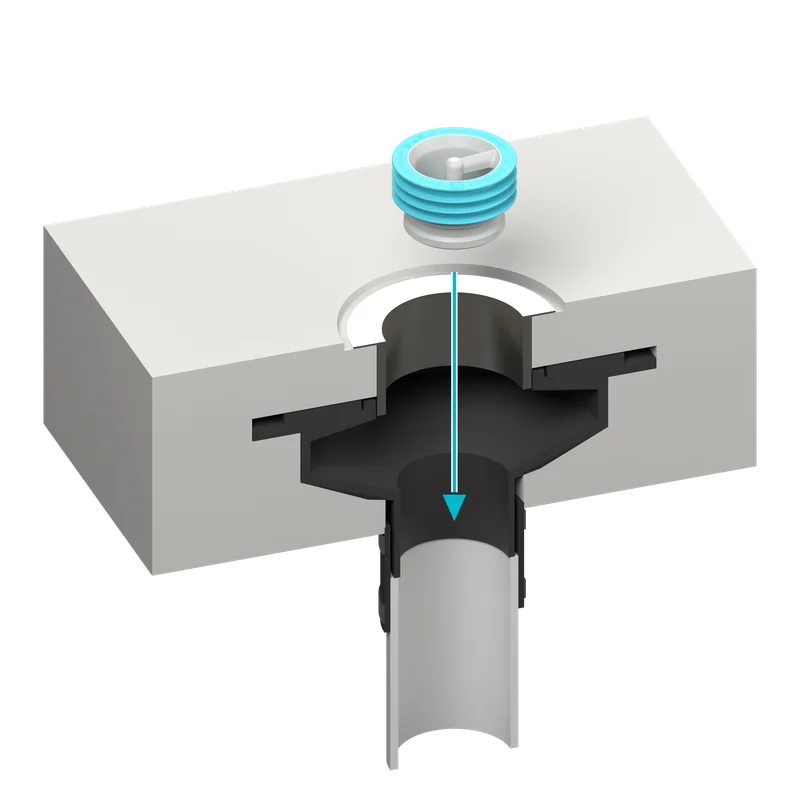
Press it in.
Push it into the drain opening and recess it 2 to 4 inches (about 50 to 100 mm) into the pipe, correctly seated and stable.
-
4
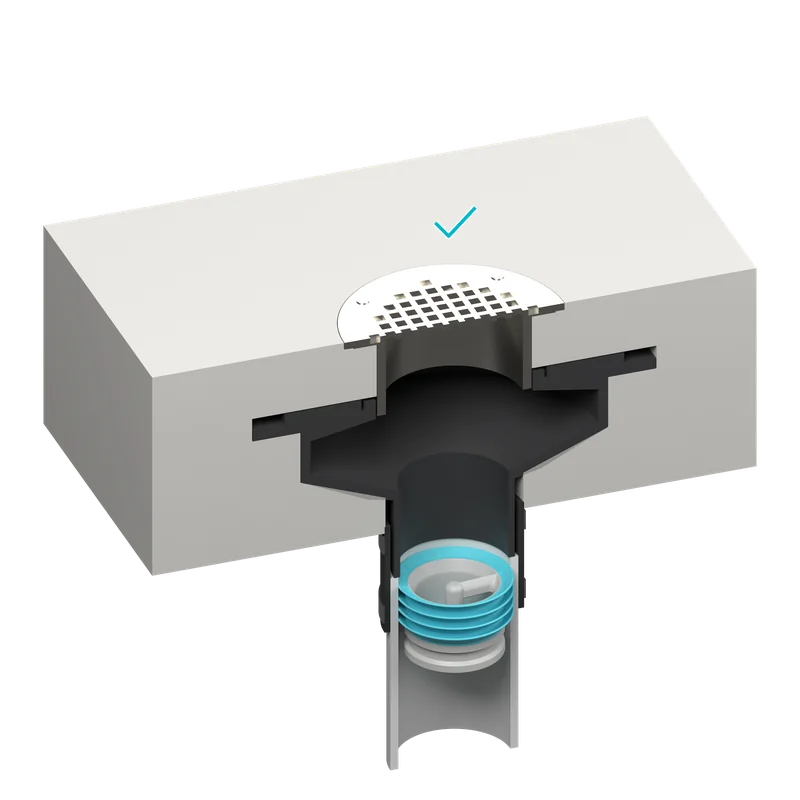
Replace the grate.
Put the grate back, close it and fit its screws, where the drain has them.
Questions about the GD‑MD.
How do I order the GD-MD?
The GD-MD is supplied on inquiry to healthcare facilities, distributors and dealers; there is no online purchase. Make an inquiry and tell us the sizes and quantities you need and where they are going.
Which size do I need?
Measure the inside diameter of the pipe below the drain grate, where the seal will sit, and choose the size whose range covers it. The ten sizes run from GD-MD125 (32 to 38 mm) to GD-MD6 (149 to 157 mm); each size page lists its range. Where two ranges overlap, either size fits.
Does the GD-MD replace the P-trap, our cleaning or our infection prevention measures?
No. It works alongside the P-trap that is already in the drain, and alongside cleaning, maintenance and infection prevention and control measures. It does not replace established hygiene protocols, cleaning procedures or infection prevention measures; it adds a passive point of control at the drain opening.
Does the GD-MD reduce infections?
No patient-outcome claim is made. The GD-MD is a passive environmental control device: it does not prevent, diagnose, treat or cure disease. Its evidence supports how the device performs, restricting the upward movement of air and aerosols through the drain opening, as one element within a broader hygiene framework.
Does it need power or maintenance?
It needs no power and no active operation; it works on its own once installed. Inspect it periodically for correct position and condition, remove and reinstall it if it has moved, and replace it if you see damage or degradation. Installation, inspection and replacement can each be recorded.
What is it made of? Does it contain latex?
An ABS polymer housing and a silicone elastomer skirt. No information indicating the presence of natural rubber latex is identified in the available material specifications.
How do we dispose of a used device?
Dispose of it in accordance with local regulations. If contamination, for example biofilm or hazardous substances, is suspected, handle and dispose of it as potentially contaminated waste.
Can facilities outside Europe order the GD-MD?
Yes. Make an inquiry from anywhere and tell us the sizes and quantities you need. Its medical device registration is under the EU Medical Device Regulation. The standard Green Drain line, with its plumbing-code certifications, is also available to order online.
Where are the Instructions for Use?
The Instructions for Use are electronic and published at greendrains.com/gdmd/instructions, the address printed on every box, with a PDF to download. A paper copy is free on request and is sent within 7 calendar days.
Inquire about the GD-MD.
Tell us the sizes and quantities you need and where they are going, and we will come back to you.
Make an inquiry